
Introduction to IPX1 & IPX2 Water Drip Test Apparatus

The IPX1&IPX2 Water Drip Test Apparatus is a product shell protection level testing device designed according to standards such as IEC60529 and ISO 20653, specifically designed to verify the product’s protection performance against vertical dripping and 15 degree inclined dripping. According to the classification of protection levels from low to high, IPX1 and IPX2 testing equipment are entry-level water ingress protection testing equipment, generally suitable for components and finished products with low waterproof requirements.
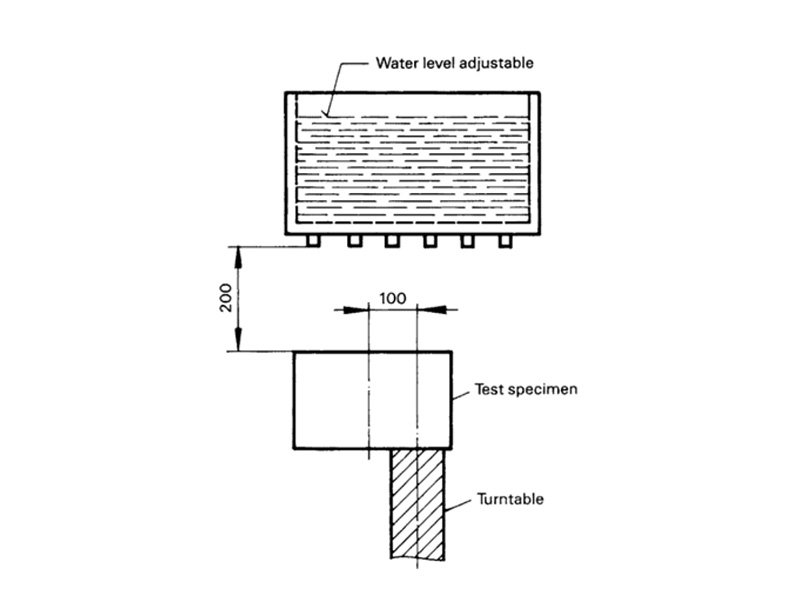
IPX1 setup schematic diagram
IPX1 setup schematic diagram

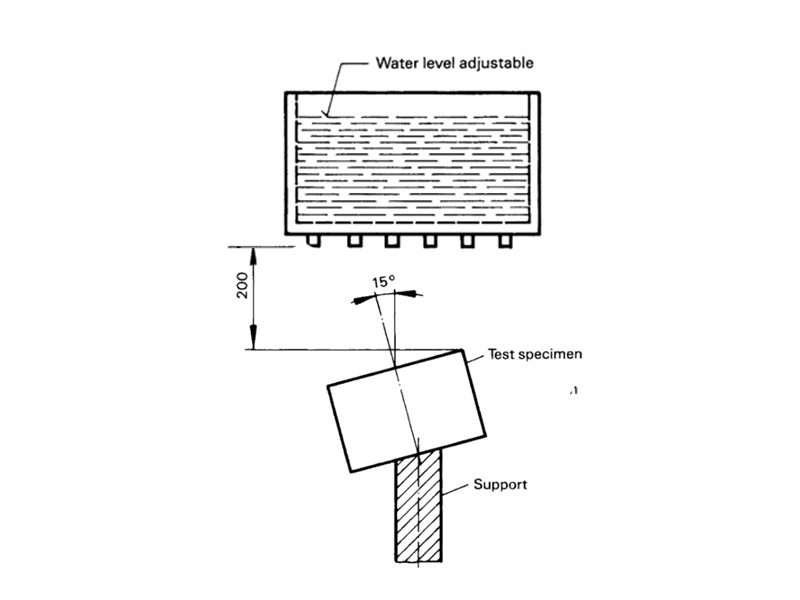
IPX2 setup schematic diagram

IPX2 setup schematic diagram

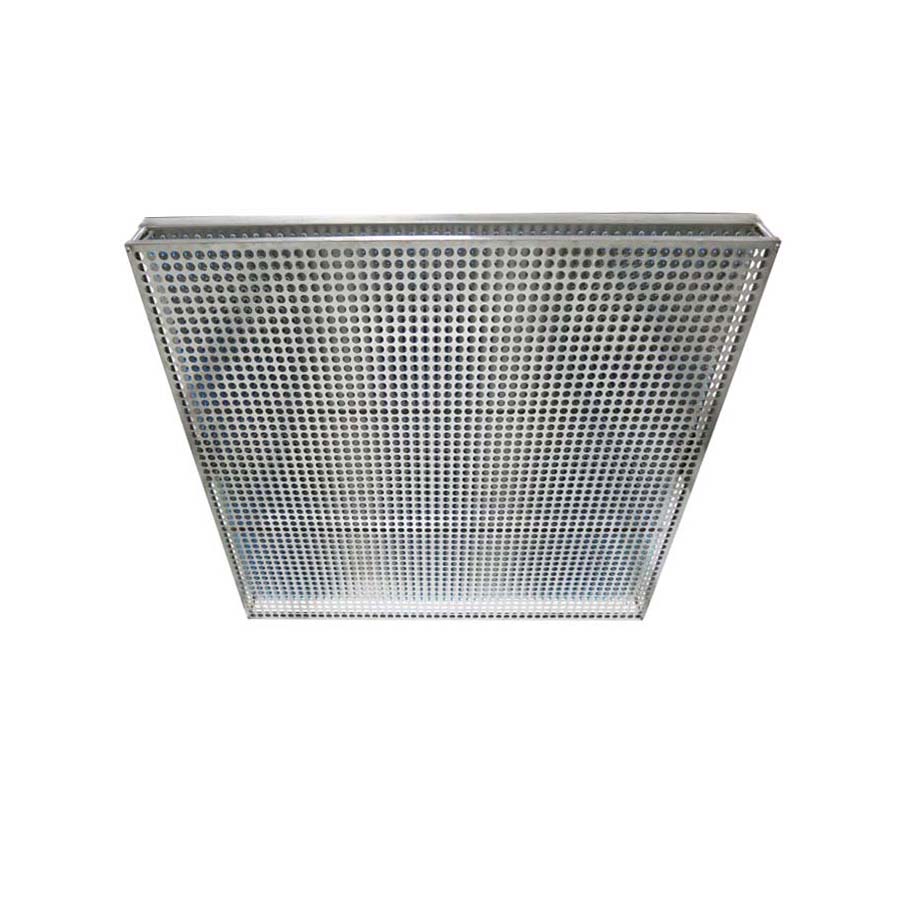
During testing, a drip box designed according to standard regulations is placed over the entire sample shell and maintained at a specified distance, with the bottom of the drip box filled with needles at the specified spacing and arrangement. Water flows down from the needle at a specified flow rate to simulate raindrops splashing onto the sample. When conducting IPX1 testing, water droplets fall vertically onto the sample shell, while when conducting IPX2 testing, the sample needs to be tilted to meet the requirement of water droplets falling onto the sample shell at a 15 degree tilt angle. In order to ensure that the entire sample shell is evenly covered by raindrops, the sample needs to be rotated at a specified speed during testing.

IPX1 & IPX2 Water Drip Testers Available from AmadeTech

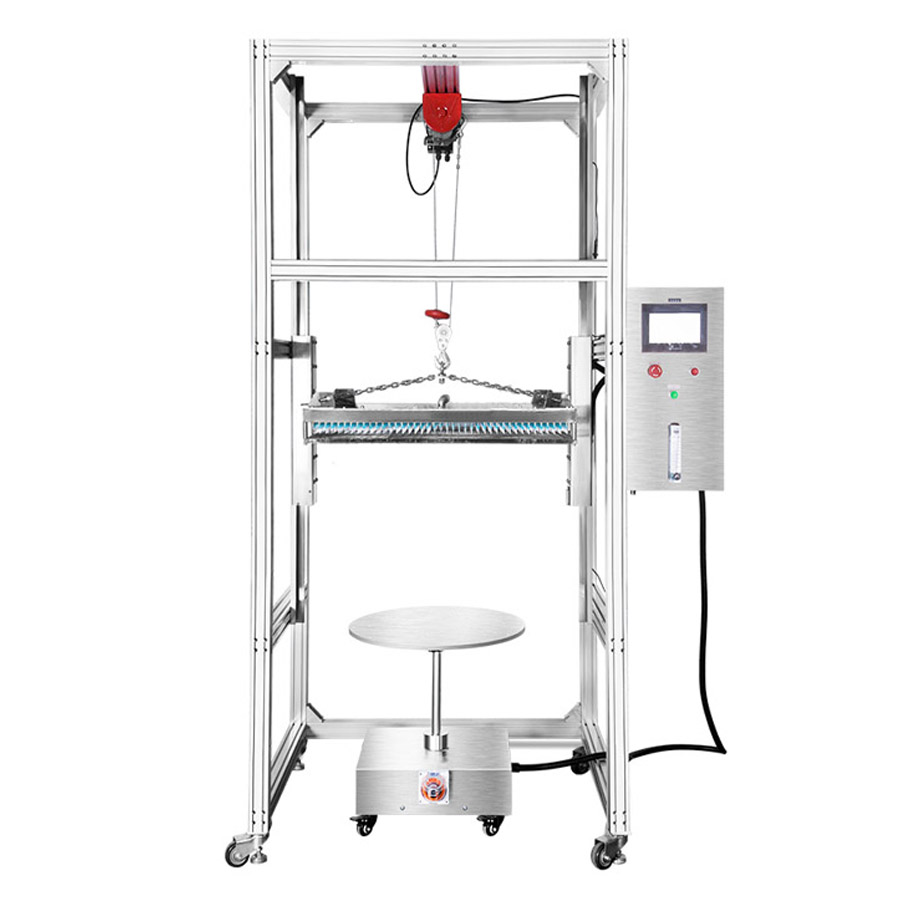
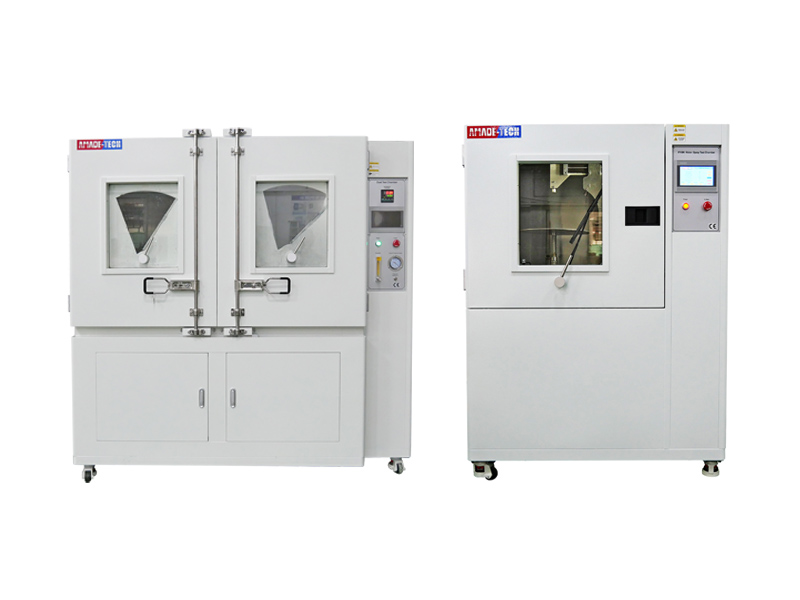
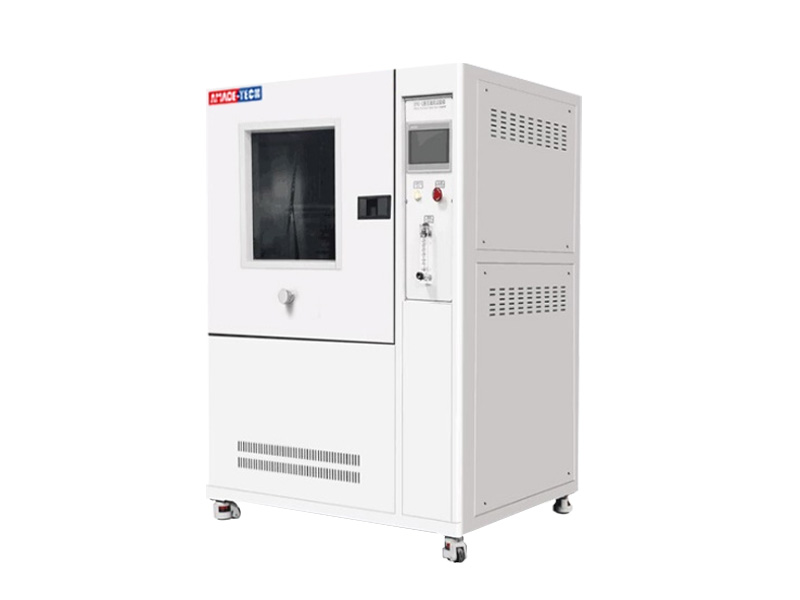
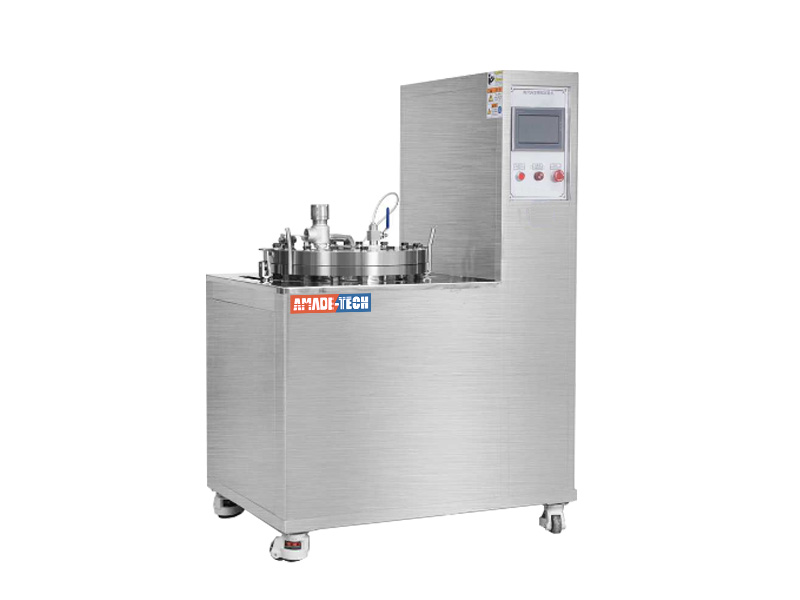
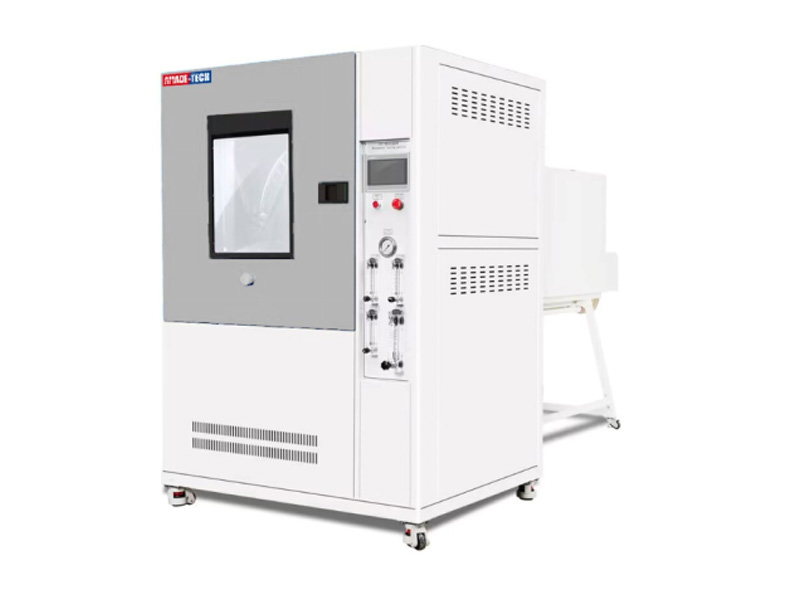
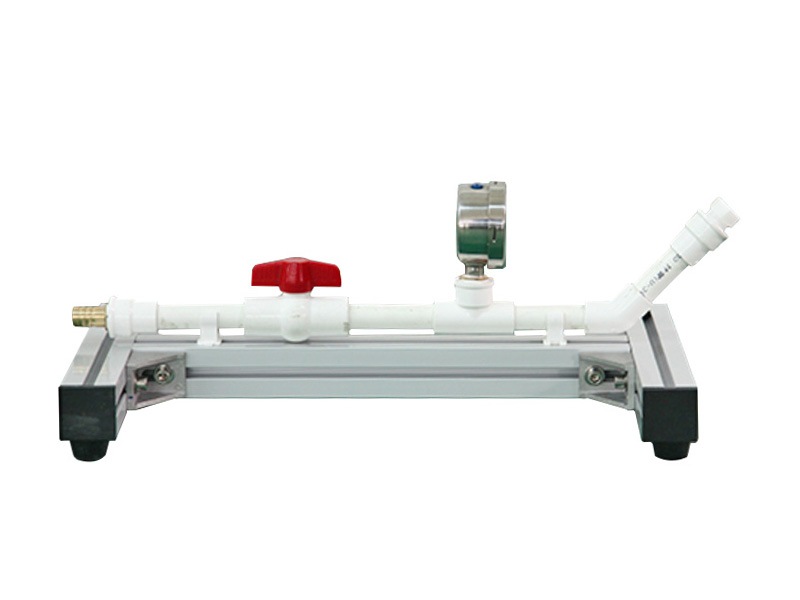
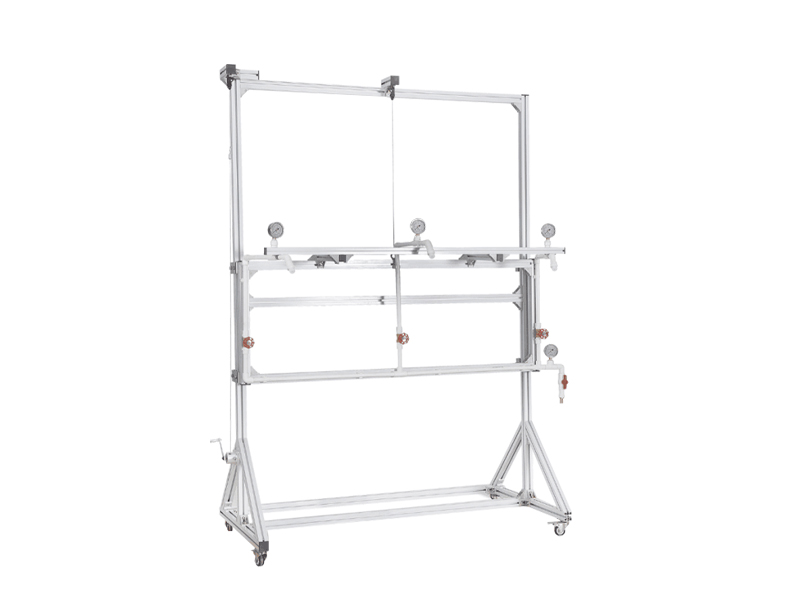
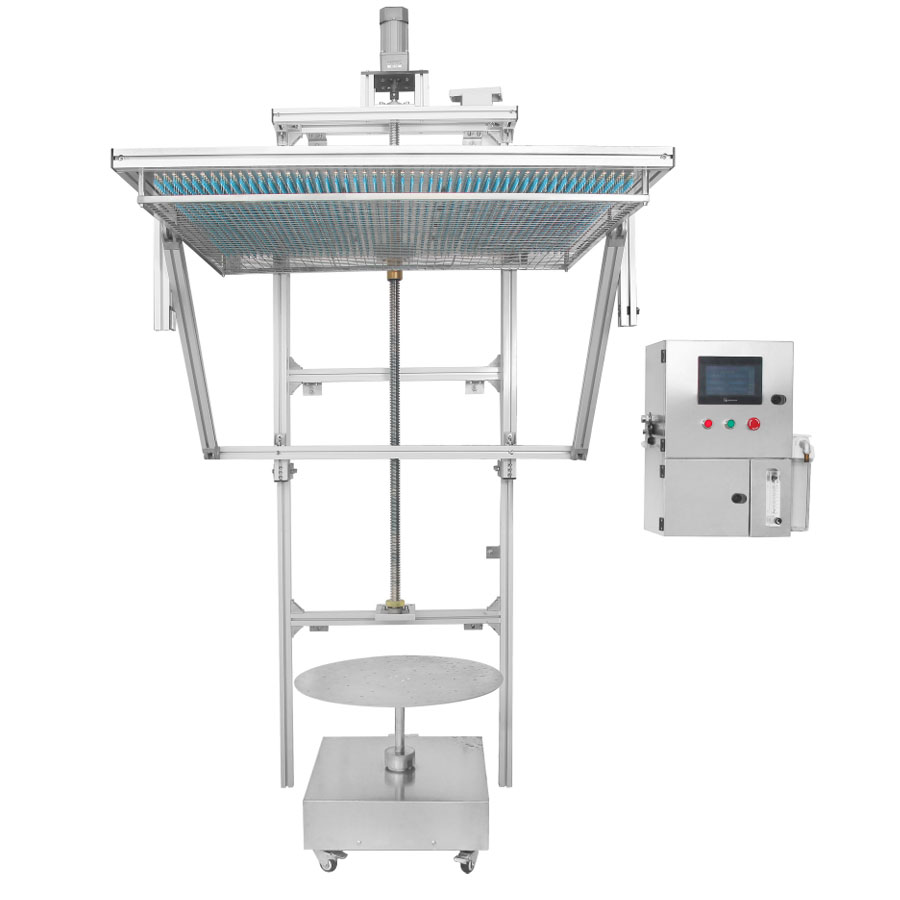
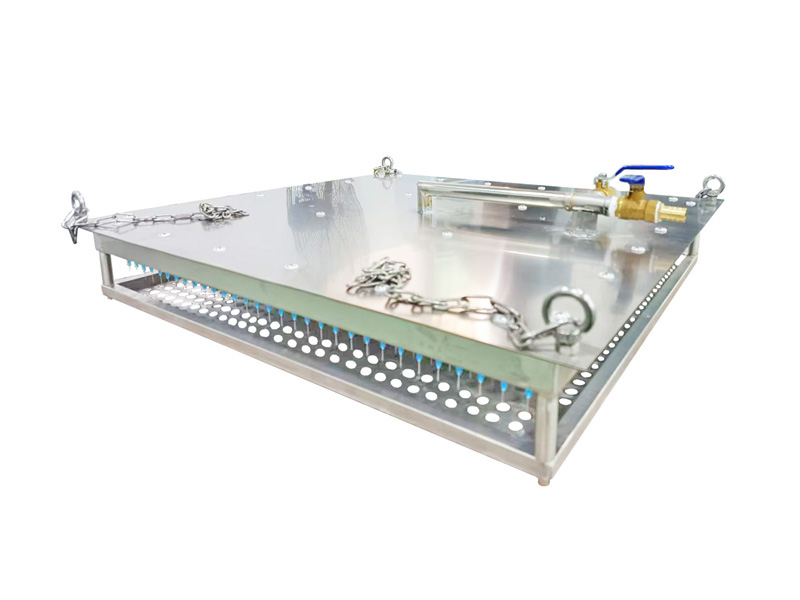
AmadeTech can provide different styles of IPX1 IPX2 dripping water test equipment based on differences in customer sample size, site conditions, and configuration requirements. The most commonly used is the box type equipment, which has a drip box built into the top ceiling of a enclosed stainless steel test chamber. The sample is positioned under the drip tray to be exposed to rainwater, and the water will not flow to the outside of the machine. There is a water tank at the bottom of the chamber for storing testing water. Throughout the entire testing process, the test water was recycled by a water pump without the need for continuous external water supply. In addition, considering compatibility with larger sample sizes and facilitating clear observation of sample status during testing, AmadeTech can also provide open IPX1 IPX2 water drip test apparatuses, including wall-mounted and frame-supported types. Wall-mounted equipment needs to be fixed on the wall, and the drip box can be lifted up and down. The frame-supported type equipment is equipped with wheels that can move freely, and the drip box can also be raised and lowered under control. Both are compatible with samples of relatively large size and have requirements for the testing site. It must be a dedicated laboratory rain room that allows the testing water to flow to the ground and can continuously supply water to the equipment during the testing process. In addition, AmadeTech can also provide a simplified version of the economical IPX1 IPX2 drip testing equipment – a separate drip box with a flow meter. After obtaining it, users can DIY some basic configurations and fixation, connect the water supply pipe, and conduct IPX1 and IPX2 drip tests.
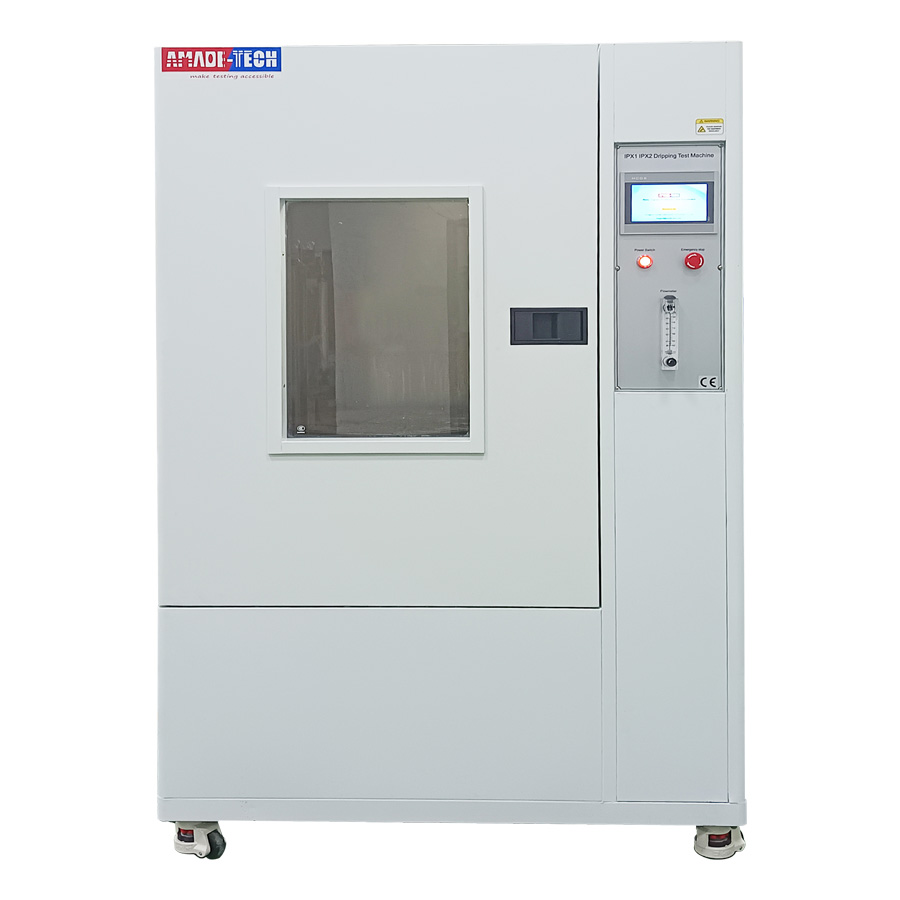
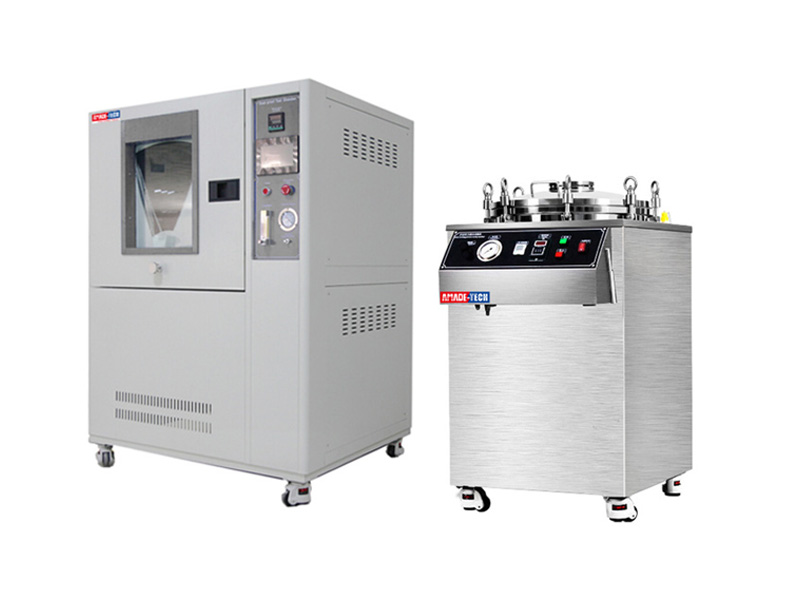
IPX1 IPX2 drip test chamber

Water Ingress Protection Testing

Box-type IPX1 & IPX2 Water Drip Test Apparatus

  • Commonly used testing system
  • Water-saving test solution
  • Test site compatibility friendly
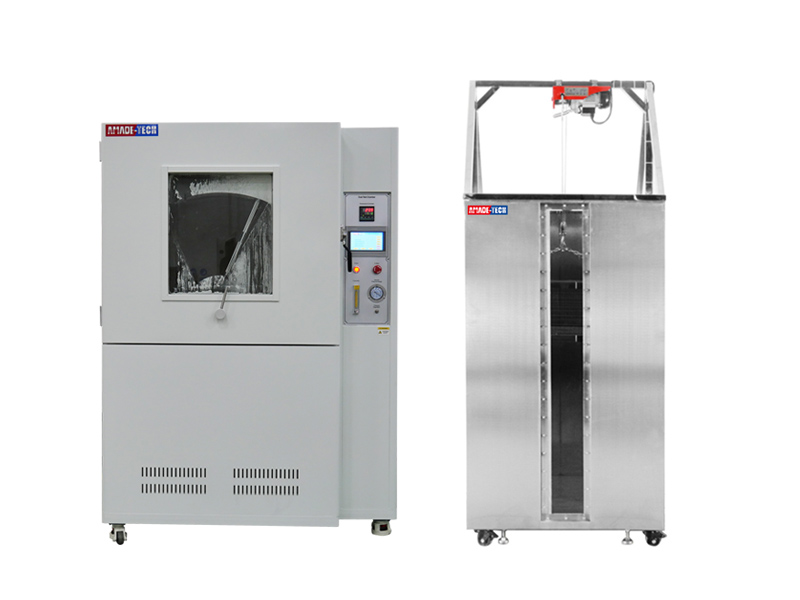
Wall-mounted IPX1 IPX2 drip tester

Water Ingress Protection Testing

Wall-mounted IPX1 & IPX2 Water Drip Test Apparatus

  • Suitable for large-sized or irregular specimens
  • Can only be used in the rain test room
  • Observe the state of the sample more clearly throughout the test
Frame-supported IPX1 IPX2 drip tester

Water Ingress Protection Testing

Frame-supported IPX1 & IPX2 Water Drip Test Apparatus

  • Can be easily moved and sample mounting friendly
  • Can only be used in the rain test room
  • Observe the state of the sample more clearly throughout the test
separate IPX1 IPX2 drip box

Water Ingress Protection Testing

Separate IPX1 & IPX2 Drip Box

  • The most economical testing system
  • Requires users to install and adapt the apparatus themselves
  • Insufficient convenience in using the apparatus

IPX1 vs IPX2 Testing According to IEC 60529

IP Test Rating

IPX1 Test

IPX2 Test

Water Flow Rate

1+0.5 mm/min

3+0.5 mm/min

Test Duration

10 min

10 min (2.5 min for each position of tilt)

Simulated Dripping direction

Vertically falling water drops against the sample in normal operating position

Vertically falling water against the sample tilted up to 15°

Turntable Speed

1 rotation/min

2.5 min in each of 4 fixed position of tilt

Eccentricity

Turntable axis 100mm from the specimen axis

Turntable axis and specimen axis in alignment

Needle Inner Diameter

0.4 mm

0.4 mm

Needle Grid Spacing

20 mm

20 mm

Raindrop Travel

200 mm from the needle tip to the upper surface of the sample

200 mm from the needle tip to the top point of the sample

Applications of IPX1/IPX2 Drip Test Apparatus

Consumer electronics

Entry level waterproof headphones, Bluetooth speakers, low-level models of smart bracelets/watches, internal structural components of electric toothbrushes, etc.

Household appliances

Kitchen appliances, bathroom mirror lights, exhaust fans, humidifiers, smart home control panels, indoor appliance casings, etc. are mainly designed to prevent condensation water or slight dripping

Lighting lamps

Indoor lighting fixtures, light strips, driving power supply, partially concealed outdoor lighting fixtures. If exposed directly outdoors, it usually requires IPX4 or above or IP54/IP65/IP67.

Auto parts

The interior of the car, sensors, connectors, electrical components inside the car, charging port covers, etc. are used to prevent condensation or slight dripping of water; The requirements for exposed parts outside the car are usually higher

Security and access control

Indoor cameras, access control panels, alarms, smart doorbells, etc. Outdoor cameras generally require IPX4/IPX5/IPX6 or even IP67

Medical equipment

Some medical equipment casings, instrument panels, and indoor equipment are designed to prevent slight dripping or condensation during cleaning

FAQs

Sure. AmadeTech’s IPX1/2 drip testing equipment is compatible with waterproof testing projects of both IPX1 and IPX2 levels. The testing conditions for IPX1 and IPX2 are mostly the same. Before conducting IPX2 testing, simply manually tilt the turntable supporting the sample by 15 degrees. During testing, increase the flow rate to a standard value greater than the required flow rate for IPX1. The turntable will automatically stay at 90 degree intervals for 2.5 minutes according to the system’s preset program to complete a total of 10 minutes of testing.

According to the IEC60529 standard, the water flow requirement for IPX1 testing is 1+0.5 mm/min, while the water flow requirement for IPX2 testing is 3+0.5 mm/min. This means that the flow rate for IPX2 drip testing is three times that of IPX2 testing. When conducting corresponding tests, we must distinguish the traffic correctly and not confuse or adjust it to be the same.

Normally, we recommend calibrating the equipment once a year.

The core calibration item of IPX1/2 waterproof testing equipment is water flow rate. The method is to start the machine normally, select the corresponding test item, adjust the standard flow rate, and run it steadily for a period of time. Then, use a square water container for calibration to place it under the drip tray to collect water and start timing at the same time. Stop taking water after one minute. Then pour the water into the measuring cylinder and weigh the volume of water. Calculate the flow rate value and compare it with the standard flow rate to see if it is within the specified flow range to determine whether the machine flow rate is normal.

Of course.

After receiving your inquiry, we will focus on and inquire about the shape and size of your sample, as these parameters will directly determine how large the machine needs to match to accommodate your sample. A machine size that is too small cannot meet your testing needs, and a size that is too large will result in cost waste. We will recommend suitable models and sizes based on your samples. We can also customize the corresponding size and function according to your testing needs to meet personalized customization.

We install a flow meter on each device to achieve precise control of water supply flow. There are two options for flow meters: manual control flow meters and electronic flow meters. Considering economy, durability, and intuitiveness, we generally recommend the manual flow meter. It allows you to adjust the flow rate by rotating the knob at the bottom (counterclockwise rotation increases flow rate, clockwise rotation decreases flow rate). The float inside the flowmeter can display the current flow rate of water supplied to the drip box in real time, which is very convenient to use.

Whether the needle of the drip tray is easily clogged depends on two factors: first, whether the test water is pure. Although regular tap water can also be used as testing water, in order to reduce the probability of needle blockage from the source, we recommend using distilled water or deionized water as testing water. Secondly, it depends on the frequency of water replacement. Even the purest test water, if used for a long time without replacement, can still produce scale and cause needle blockage. We recommend that operators regularly observe the cleanliness of the water during device use and replace the testing water frequently according to the testing frequency. If the device is not used for a long time, it is necessary to drain the water inside the device, otherwise it will not only block the needle but also produce a foul odor.

In order to reduce the probability of needle blockage from the source, we have installed a filtering device on the back of the IPX1/2 drip testing equipment. There is a water purification filter inside the device to filter impurities in the water source. The filter element needs to be replaced in a timely manner according to its cleanliness level to ensure its filtering effect.

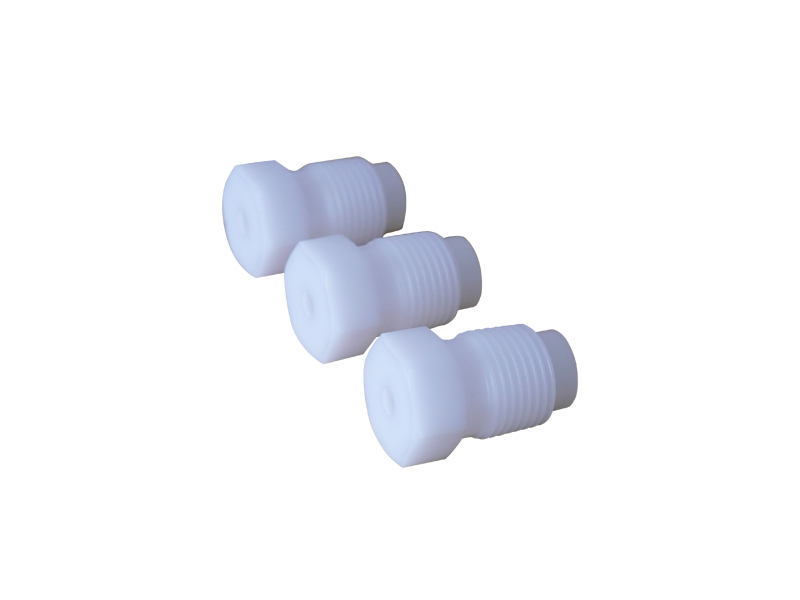
If the needle is found to be blocked during the testing process, it should be promptly removed from the bottom of the drip box. If there is a pinhole unblocking needle with a diameter less than 0.4mm, the unblocking needle can be used to pass through the inner hole of the blocking needle to discharge the blockage, and then reinstalled at the bottom of the drip box. If there is no pinhole unblocking needle, then simply replace the blocked one with a new needle. We provide each device with hundreds of spare needles. If you need needles, please feel free to consult us for purchase.

The presence of water inside the sample after testing is not a criterion for determining whether the sample is qualified. The standard judgment logic for IPX1/2 testing is that the test water droplets cannot have a negative impact on the normal operation of the sample, such as short circuit shutdown during or after the testing process, which is considered unqualified.

Our IPX1/2 water drip test equipment usually needs to be connected to compressed air within 0.6Mpa (of course, the test can be carried out normally without connecting an air pipe). The core purpose of connecting the compressed air source is to introduce the compressed air into the drip box after the test is completed, increase the internal pressure of the tank, and quickly and thoroughly discharge the remaining water from the needle. This prevents residual water from remaining in the drip box, which can accumulate scale and clog the needle over time.

If a third-party calibration report is required, we need to send the equipment to a third-party laboratory that complies with ISO17025 or send calibration personnel to the factory site for calibration. These additional services will incur extra costs. If the buyer is willing to bear these costs, we can provide a calibration report from a third-party laboratory.

The routine maintenance of the equipment is very simple, including keeping the equipment clean, promptly handling and replacing clogged needles, regularly replacing testing water to keep the water clean. After the daily testing project is completed, be sure to drain the accumulated water inside the drip tank. The box type equipment needs to turn on the drainage switch at the back of the machine to drain all the water in the water tank. If the device is not used for a long time, it should be run regularly, such as every half month.

Request a Quote Now

Please feel free to contact us for more details on the product, price, lead time, payment terms, shipment methods, etc. AmadeTech sales engineers will respond within one working day.
Contact Form Demo (#3)