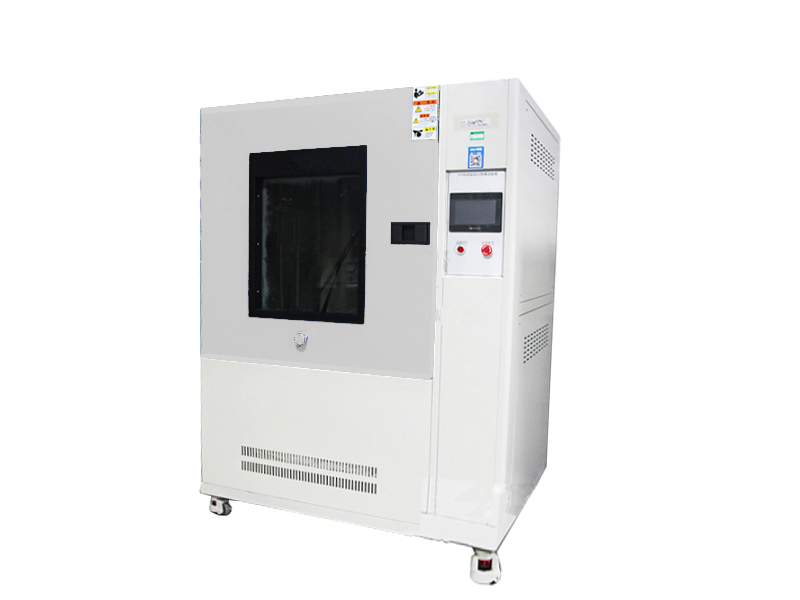

With the rapid evolution of outdoor electronic products and rising user expectations for reliability, waterproofing has shifted from a “value-added feature” to a “must-have” requirement for many products. The “IP” rating frequently seen on the back of smartphones and smartwatches represents a comprehensive waterproofing test standard. Water ingress protection tests span diverse sectors—including automotive, consumer electronics, lighting, and home appliances—making testing equipment essential infrastructure for R&D laboratories, quality control departments, and third-party testing agencies.
If you are an engineer encountering this type of equipment for the first time, you might have a host of questions: What exactly do IPX ratings mean? Which testing equipment corresponds to each rating level? How do I determine which system is right for my product? Failing to clarify these points can easily lead to wasted expenditure during procurement: you might overspend on redundant features, or underspend and fail to meet the target rating, resulting in test reports that lack official recognition.
This article provides a systematic overview of IP water ingress protection test equipment, covering everything from rating definitions and equipment types to selection logic and purchasing considerations. It is designed for R&D engineers, test engineers, quality control managers, and procurement decision-makers at third-party laboratories, aiming to help you fully evaluate the necessary factors before placing an order.
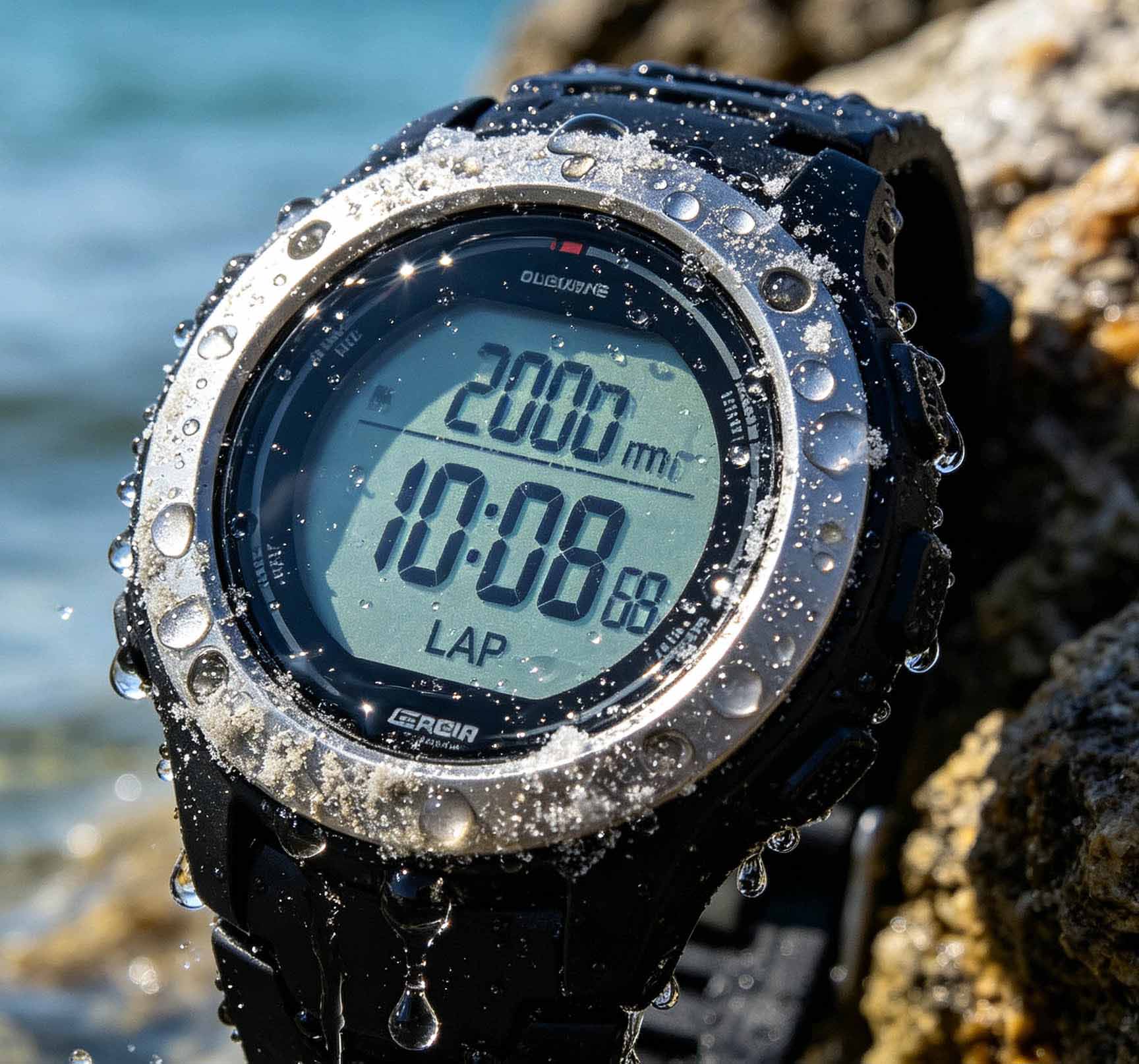
Understanding IPX Ratings
IPX ratings are a classification system used by standards bodies such as the IEC, ISO, and DIN to define the water resistance of product enclosures. Ranging from lowest to highest performance, the scale extends from IPX1 to IPX9(K).
Let’s break down the structure of this code:
“IP” is the prefix, standing for “Ingress Protection” (though some sources interpret it as “International Protection”). Both terms are used within the industry and refer to the same standard system.
The first digit following “IP” is typically represented by an “X” in this format. Here, the “X” does not mean “no rating”; rather, it indicates that the product enclosure has no specified or declared rating for protection against the ingress of solid foreign objects (such as dust). In other words, the “X” is a placeholder signifying that this specific aspect was not evaluated, not necessarily that the product lacks dust resistance.
The second digit following “IP” is the focus of our discussion—it represents the quantified water resistance of the enclosure. Values range from 0 to 9; the higher the number, the greater the water resistance.
Digit 0: The enclosure offers no water resistance.
Digits 1–8: These correspond to various water exposure conditions, ranging from vertically dripping water to continuous immersion.
Digit 9 (or 9K): The enclosure can withstand high-temperature, high-pressure water jets; this is currently the highest water resistance rating in the IP system.
IPX Code | Protection Provided by Equipment Enclosure |
IPX0 | Not protected |
IPX1 | It can prevent vertically falling water droplets from adversely affecting horizontally positioned equipment. |
IPX2 | It can prevent vertically falling water droplets from adversely affecting equipment tilted at an angle of up to 15 degrees from the vertical in any direction. |
IPX3 | It can prevent negative effects on the equipment when water is sprayed at its enclosure from angles of up to 60 degrees on either side of the vertical. |
IPX4 | It can prevent negative effects on the equipment when water splashes against its enclosure from any direction. |
IPX5 | It can prevent water jets directed at the equipment enclosure from any direction from causing adverse effects on the equipment. |
IPX6 | It can prevent high-pressure water jets directed at the equipment enclosure from any direction from causing adverse effects on the equipment. |
IPX7 | When the device's casing is briefly immersed in shallow water, it can prevent a significant amount of water from entering and adversely affecting the equipment. |
IPX8 | When the device’s enclosure is immersed in deep water for an extended period (with the duration and depth mutually agreed upon by the manufacturer and the user, and exceeding the requirements of IPX7), it can prevent significant amounts of water from entering the device and causing adverse effects. |
IPX9 | It can prevent high-temperature, high-pressure water jets from any direction from negatively affecting the equipment. |
Differences in Water Ingress Ratings: IEC 60529, ISO 20653, and DIN 40050-9
IEC 60529, ISO 20653, and DIN 40050-9 are the three most widely cited standards for water-resistance testing among equipment manufacturers and testing laboratories. While their classifications for water-resistance ratings are largely consistent, there are differences regarding rating codes and specific test conditions. Failure to account for these differences when selecting testing equipment may result in test reports being rejected by target customers or certification bodies.
IEC 60529, published by the International Electrotechnical Commission (IEC), is a general standard for enclosure protection ratings applicable to electrical equipment with rated voltages not exceeding 72.5 kV. Its specifications for IPX water-resistance ratings—ranging from IPX1 to IPX9—constitute a core component of the standard.
ISO 20653 was developed by the International Organization for Standardization (ISO) specifically for road vehicles, defining protection ratings for vehicle electrical equipment against foreign objects, water, and contact. It applies to automobiles and their components, with test conditions that closely simulate actual vehicle operating environments.
DIN 40050-9 is a German national standard that also addresses electrical equipment for road vehicles. ISO 20653 is essentially the international successor to DIN 40050-9; the test methods are virtually identical, allowing testing laboratories to issue reports citing either standard based on client requirements.
The core difference among the three lies in the “K” suffix:
Difference 1: ISO/DIN includes two additional ratings—IPX4K and IPX6K
While IEC 60529 covers water ingress protection ratings from IPX1 to IPX9, ISO 20653 and DIN 40050-9 add two automotive-specific ratings: IPX4K and IPX6K. These “K” ratings do not merely represent higher numerical values; they involve significantly more rigorous testing conditions. For instance, the water flow rate for IPX4K is six times that of IPX4, while IPX6K utilizes a smaller nozzle to deliver higher pressure. These conditions simulate real-world scenarios such as road spray during vehicle operation and high-pressure washing—intensities far exceeding the testing environments for standard industrial equipment.
Difference 2: Different codes for the highest rating level
The three standards use different designations for the highest level of water ingress protection:
IEC 60529: Designated as IPX9
ISO 20653 / DIN 40050-9: Designated as IPX9K
Although both address the same type of scenario—high-temperature, high-pressure water jets—the codes are not interchangeable. If your product targets automotive clients, a test report citing IPX9 instead of IPX9K may not be accepted. Conversely, citing IPX9K for general industrial equipment could lead to confusion.
IPX Code | Standard names involved |
IPX0 | IEC 60529 & ISO 20653 & DIN 40050-9 |
IPX1 | |
IPX2 | |
IPX3 | |
IPX4 | |
IPX4K | ISO 20653 & DIN 40050-9 |
IPX5 | IEC 60529 & ISO20653 & DIN40050-9 |
IPX6 | |
IPX6K | ISO 20653 & DIN 40050-9 |
IPX7 | IEC 60529 & ISO 20653 & DIN 40050-9 |
IPX8 | |
IPX9 | IEC60529 |
IPX9K | ISO 20653 & DIN 40050-9 |
Key Types of IPX Test Systems
Different waterproof ratings entail distinct test conditions and acceptance criteria, requiring specific testing equipment. However, given the similarities in test conditions and equipment requirements, a single system can often be used for multiple ratings. Common industry groupings include:
IPX1 and IPX2 share the same water dripping test equipment
IPX3 and IPX4 share the same water spraying test equipment
IPX5 and IPX6 share the same water jetting test equipment
These groupings are not arbitrary; they are determined by the test parameters specified in the standards. The performance requirements for the testing equipment associated with each rating are outlined below.
Test system name | Performance requirements |
IPX1 Tester | The test apparatus features a reservoir for temporarily holding water. The bottom of the reservoir is fitted with needles of specified dimensions, arranged at specified intervals. Water drips downward at a rate of 1 ± 0.5 mm/min onto a test specimen positioned horizontally 200 mm below, simulating rainfall conditions for a duration of 10 minutes to complete the test. |
IPX2 Tester | The test apparatus features a reservoir for temporary water storage. The bottom of the reservoir is fitted with needles of specified dimensions arranged at specified intervals; water drips downward at a rate of 3 ± 0.5 mm/min onto a test specimen positioned 200 mm below and tilted 15 degrees from the vertical, simulating rainfall for a duration of 10 minutes. During the test, the specimen is rotated 90 degrees three times in the same direction, remaining in each tilted position for 2.5 minutes. |
IPX3 Tester | The test apparatus features a semi-circular oscillating tube of specified dimensions, equipped with water spray apertures (0.4 mm in diameter) spaced at prescribed intervals over an arc of 60° on either side of the center point. The tube oscillates back and forth within a range of ±60° with reference to the central axis at a speed of 60° per second, spraying water for 10 minutes onto a rotating sample positioned at the center of the arc at a distance of no more than 200 mm to complete the test. During the test, the water flow rate per aperture is 0.07 L/min ±5% (IEC 60529) or 0.1 L/min ±5% (ISO 20653/DIN 40050-9). |
IPX3 hand-hold spray nozzle | A showerhead with a hemispherical face covered with 121 0.5mm diameter outlet holes arranged at regular intervals and shapes. During testing, the moving shield needs to be pushed down to cover the 30 degree arc, while the showerhead sprays at the 60-degree zones on either side of the vertical plane of the sample at a distance of 300-500mm at a flow rate of 10L/min ± 5% for at least 5 minutes to complete the test. |
IPX4 Tester | The test apparatus features a semi-circular oscillating tube of specified dimensions, equipped with water spray apertures (0.4 mm in diameter) spaced at prescribed intervals over an arc of 90° on either side of the center point. The tube oscillates back and forth within a range of ±180° with reference to the central axis at a speed of 60° per second, spraying water for 10 minutes onto a rotating sample positioned at the center of the arc at a distance of no more than 200 mm to complete the test. During the test, the water flow rate per aperture is 0.07 L/min ±5% (IEC 60529) or 0.1 L/min ±5% (ISO 20653/DIN 40050-9). |
IPX4 Hand-hold spray nozzle | A showerhead with a hemispherical face covered with 121 0.5mm diameter outlet holes arranged at regular intervals and shapes. During testing, the moving shield needs to be retracted to fully expose the outlet holes, while the sample is then sprayed at a flow rate of 10 L/min (±5%) from a distance of 300~500 mm for a minimum of 5 minutes, covering an angular range of ±180°(per IEC 60529) or ±90°(per ISO 20653 & DIN 40050-9) with reference to the sample's central axis. |
IPX4K Tester | The test apparatus features a semi-circular oscillating tube of specified dimensions, equipped with water spray apertures (0.8 mm in diameter) spaced at prescribed intervals over an arc of 90° on either side of the center point. The tube oscillates back and forth within a range of ±180° with reference to the central axis at a speed of 60° per second, spraying water for 10 minutes onto a rotating sample positioned at the center of the arc at a distance of no more than 200 mm to complete the test. During the test, the water flow rate per aperture is 0.6 L/min. |
IPX5 Tester | A water jet nozzle with a diameter of 6.3 mm sprays water at a flow rate of 12.5 L/min ± 5% onto the test specimen from any angle at a distance of 2.5 m to 3 m for at least 3 minutes. |
IPX6 Tester | A water jet nozzle with a diameter of 12.5 mm projects high-speed water at a flow rate of 100 L/min ± 5% onto the test specimen from any angle at a distance of 2.5 m to 3 m for at least 3 minutes. |
IPX6K Tester | A water jet nozzle with a diameter of 6.3 mm projects strongly high-speed water at a flow rate of 75 L/min ± 5% onto the test specimen from any angle at a distance of 2.5 m to 3 m for at least 3 minutes. |
IPX7 Tester | A water tank is used to conduct the test by immersing the specimen in water for 30 minutes. If the height of the specimen's enclosure is less than 850 mm, the lowest point of the specimen must be 1,000 mm below the water surface. If the height of the specimen is 850 mm or greater, the highest point of the specimen must be 150 mm below the water surface. |
IPX8 Tester | A pressurizable tank is used to immerse the test specimen in water for a specified duration. The test is conducted by pressurizing the tank to simulate the water pressure at a specific depth, thereby exposing the specimen to that environment. The test depth and duration are agreed upon by the equipment manufacturer and the user, and the conditions must be more rigorous than those for the IPX7 test. |
IPX9(K) Tester | The test equipment features four high-pressure nozzles arranged in the same vertical plane at angles of 0°, 30°, 60°, and 90°. Water at a temperature of (85 ± 5)°C is sprayed sequentially from the four nozzles at a flow rate of 15 L/min onto a rotating test specimen positioned 100 to 150 mm away, and each nozzle sprays for a duration of 30 seconds. The test concludes after a full cycle of spraying from all four positions has been completed. |
Choosing the suitable IPX Test System
Identifying the Test Rating of Your Product
Before purchasing waterproof testing equipment, the first step is to determine the appropriate waterproof rating for your product. The guiding principle is to match the rating to the product’s actual usage scenario, rather than simply assuming that a higher rating is better.
Subjecting a product to waterproof testing that exceeds its actual requirements presents two issues: first, the test conditions diverge from real-world usage, meaning the results fail to scientifically reflect how the product performs in its actual environment; second, higher ratings often entail greater equipment and testing costs, leading to unnecessary waste. You can refer to the equipment capabilities associated with various IPX ratings discussed in the previous section to make your decision, while the table below provides a reference based on representative product types suited to each rating.
IP Water ingress test rating | Applicable products(examples) |
IPX1 | Indoor power distribution box and control cabinet enclosures Industrial control panels Selected power tools with protective guards Medical equipment, etc. |
IPX2 | Instrument panel, some tilt-mounted indicators Some communication base station indoor units Indoor charging pile shell, etc. |
IPX3 | Outdoor LED lights, Electronic watches, Marine electronics, signal equipment, etc. |
IPX4 | Outdoor audio equipment, action cameras Air conditioner outdoor units Outdoor lighting, etc. |
IPX4K | Components located in unshielded areas at the bottom of the vehicle's engine compartment Electrical equipment in non-enclosed areas of the vehicle Low-mounted components such as motorcycle handlebars and instrument panels |
IPX5 | Outdoor lighting Outdoor cabinets Charging station enclosures |
IPX6 | Security cameras, high-performance outdoor watches, cameras Automotive headlights Outdoor antennas, radar equipment, communication terminals, etc. |
IPX6K | Electronic components in specific areas of the vehicle engine compartment Vehicle components potentially exposed to close-range high-pressure water spraying |
IPX7 | Smartphones, watches, Bluetooth headphones Headlight assemblies, sensor modules Electric toothbrushes, shavers, etc. |
IPX8 | Diving watches, waterproof cameras, underwater video cameras Underwater robots, submersible pumps, marine exploration equipment Power batteries, etc. |
IPX9(K) | Automotive electronic wiring harnesses, power battery packs High-end smartphones, consumer electronic devices Energy storage cabinets, precision electronic components, etc. |
The key action at this stage is to first identify the standard specified by the target market or customer (e.g., IEC, DIN, or ISO) and then confirm the corresponding rating code. In the automotive industry, in particular, it is crucial to distinguish between ratings such as IPX4/IPX6 versus IPX4K/IPX6K, or IPX9 versus IPX9K.
Selecting a Matching Set of IPX Testing Equipment
Once the waterproof rating has been determined, the next step is to find testing equipment that corresponds to that rating. It is recommended to follow these three steps when making your selection.
Verifying Specimen Dimensions and Weight
These two parameters directly determine the equipment’s capacity and type. Taking IPX3 testing as an example:
For specimens with a diameter under 600 mm and a weight under 50 kg: An integrated cabinet-style tester is suitable; it features a compact design, a small footprint, and ease of operation.
For larger or heavier specimens: Open-style or walk-in testing equipment is required; these feature independently arranged oscillating tubes and water supply systems, offering greater flexibility for specimen handling and installation.
These configuration details must be confirmed individually with the supplier prior to purchase; relying solely on the equipment model name is insufficient.
Checking for Special Testing Requirements
Beyond standard testing, many products have additional requirements. Common examples include:
Customized fixtures: Irregularly shaped products, those with attached cables, or items requiring specific mounting angles often necessitate non-standard fixtures.
Powering or operating during the test: If a sample must remain powered on while exposed to spraying or immersion, the equipment requires dedicated electrical interfaces, proper insulation and waterproofing, and potentially custom cable entry ports and sealing structures.
Monitoring internal conditions: Some tests require real-time monitoring of water ingress or electrical performance, meaning the equipment may need ports for sensors.
If these requirements are not specified prior to purchase, retrofitting the equipment after delivery will significantly increase both costs and lead times.
Considering Future Testing Needs
If the laboratory might need to cover additional waterproofing ratings or expand into new product categories in the future, it is advisable to prioritize comprehensive testing equipment. A single system capable of handling multiple ratings can save on both procurement costs and floor space.
Choosing the Right Manufacturer: AmadeTech
If you are weighing your options for sourcing a suitable IPX water ingress testing system, AmadeTech is a choice that will meet your needs. Compared to other suppliers, our advantages lie in the following areas.
Premium Components
AmadeTech equipment utilizes water pumps from top-tier domestic brands, while all electronic components—such as those from Omron, Schneider, LS, and Delta—are sourced from renowned international manufacturers to ensure the machine’s overall reliability and durability.
This is particularly advantageous for after-sales support. Should a component require replacement, users can easily source identical specifications from these well-known brands locally, eliminating the need to rely on shipments from the original manufacturer and significantly reducing concerns about downtime.
Diverse Sizes and Styles – Customization Available
AmadeTech can provide waterproof testing equipment tailored to the dimensions and weight of your specific samples. We offer various configurations, including cabinet-style, open-style, and walk-in models.
If your sample requires power during testing, we can install waterproof sockets inside the test chamber. Furthermore, we offer customized solutions—such as bespoke sample fixtures—to ensure your product operates correctly during the test. We can also integrate hardware for multiple testing levels into a single chamber, enabling versatile functionality.
Endorsed by Well-Known Brands
AmadeTech’s IPX waterproof testing systems have been selected and utilized by numerous global corporations and third-party laboratories, including—but not limited to—Stryker, TÜV, Siemens, Intertek, Amazon, Bosch, CATL, and BYD. We are honored to be the chosen provider for these organizations; their trust serves as a powerful testament to the capability and value of our products. We look forward to continuing to serve an increasing number of brands with high-quality products and supporting their research and development efforts.
Calibration Certificates Available
While we certify that our IP testing systems comply with standards such as IEC 60529 and ISO 20653, self-proclaimed specifications can sometimes lack sufficient persuasive power; independent verification by an authoritative body is often required.
To meet this need, AmadeTech facilitates on-site calibration of our IPX waterproof testing equipment by technicians from third-party laboratories, who then issue independent calibration reports. This provides our customers with greater confidence when purchasing and using our products.
If you would like to learn about all of AmadeTech’s water resistance testing systems, please refer to the table below and click the links to find out more:
IPX rating | Test equipment available | Picture | Link |
IPX1/2 | Box-type rain test apparatus | 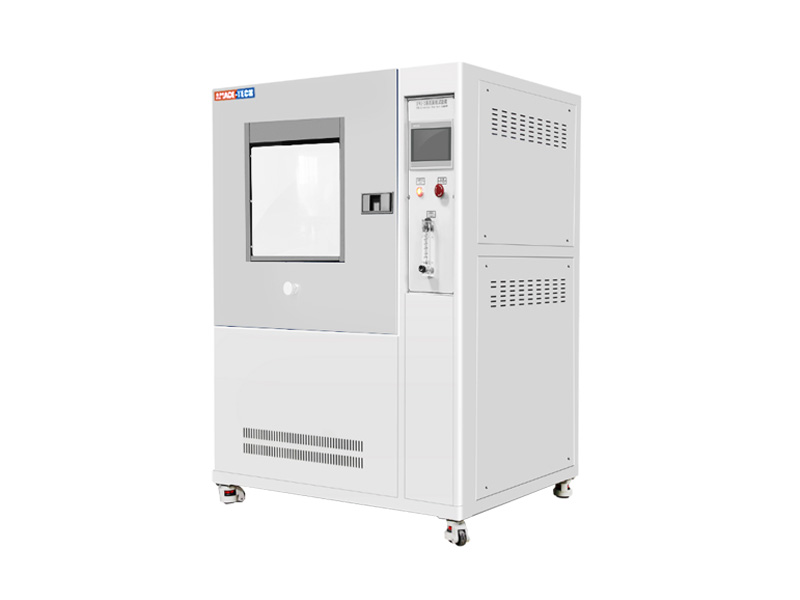
| |
Frame-type rain test apparatus | 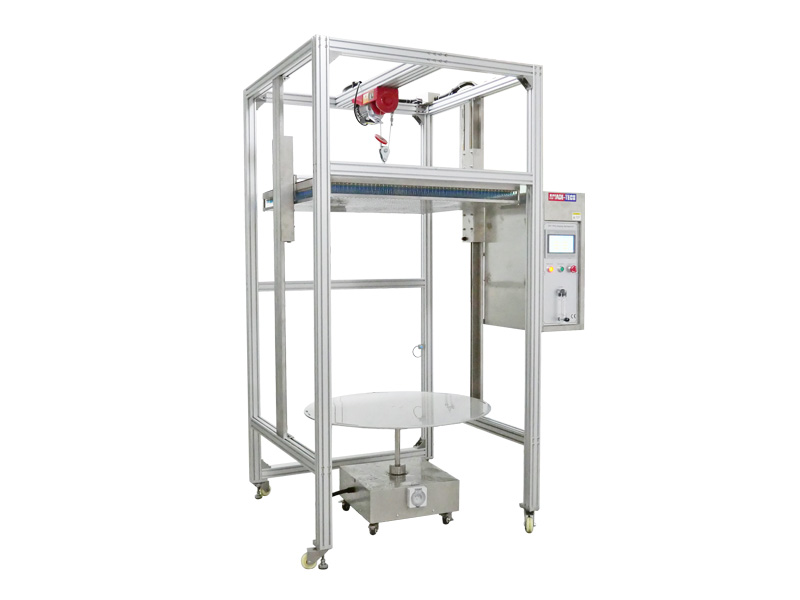
| ||
Wall-mounted rain test apparatus | 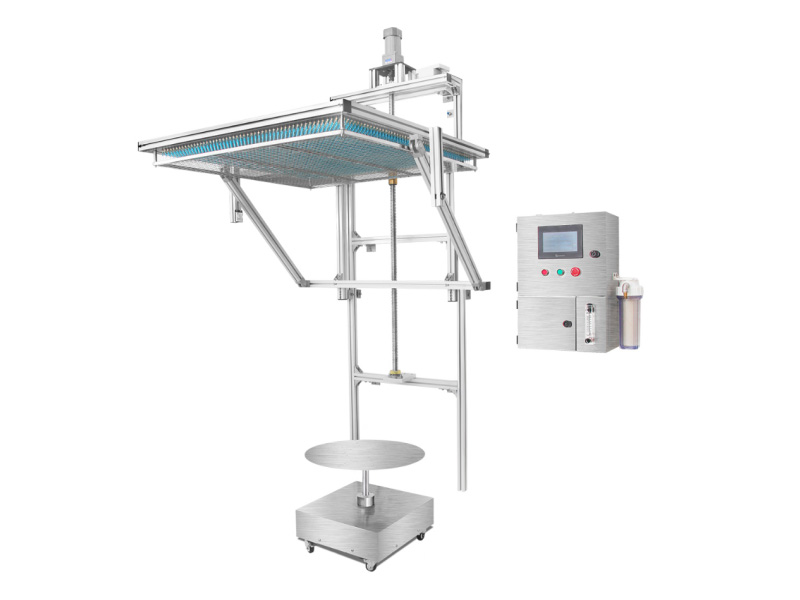
| ||
IPX3/4/4K | Box-type water spray test apparatus | 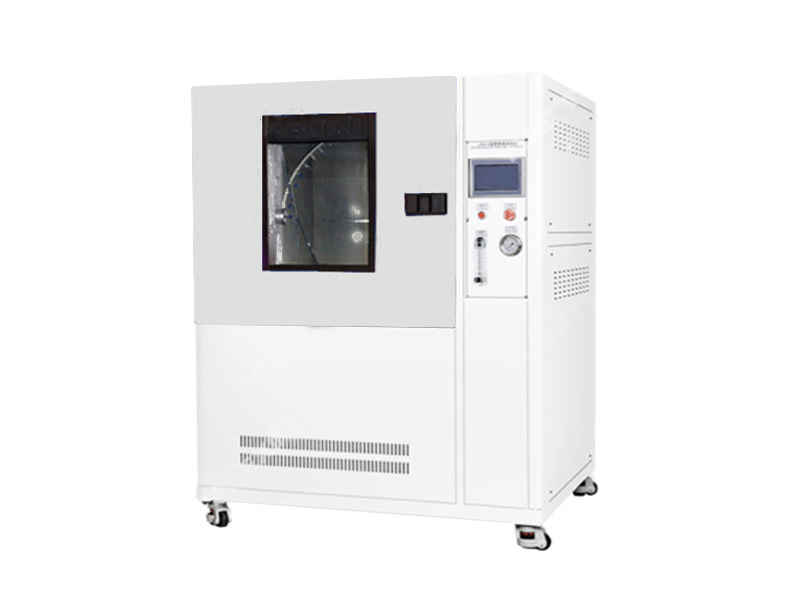
| |
Walk-in water spray test apparatus | 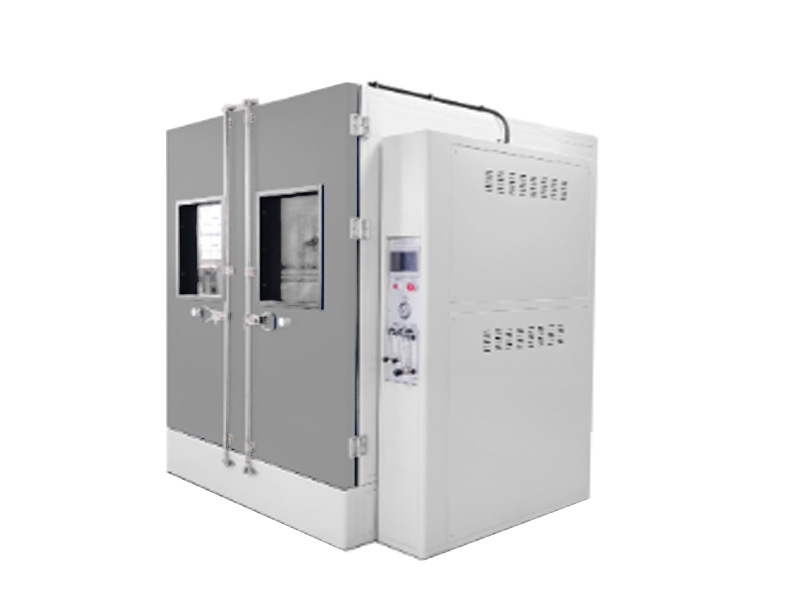
| ||
Open-type water spray test apparatus | 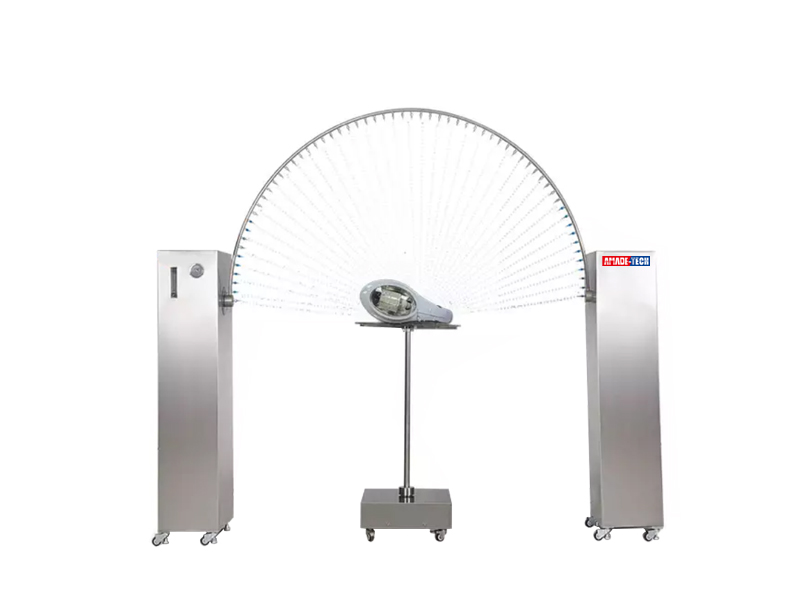
| ||
IPX5/6/6K | Box-type water jet test apparatus | 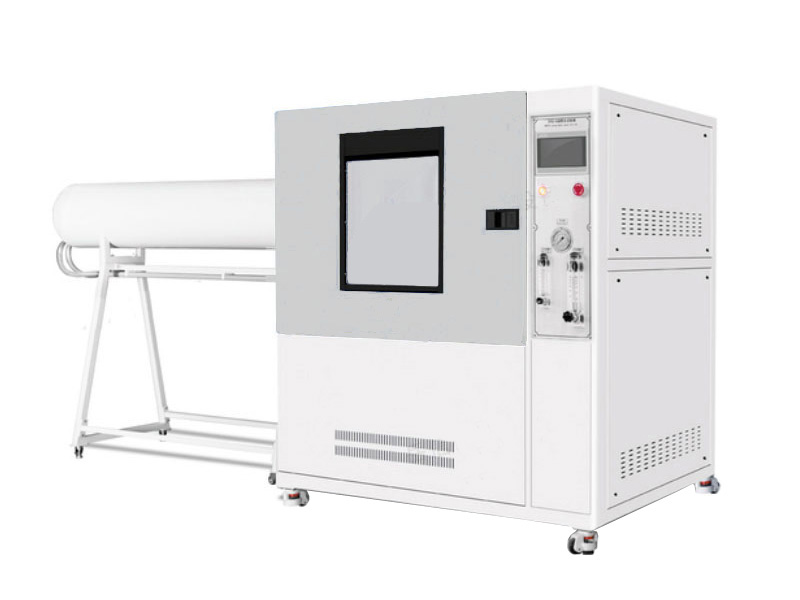
| |
Walk-in water jet test apparatus | 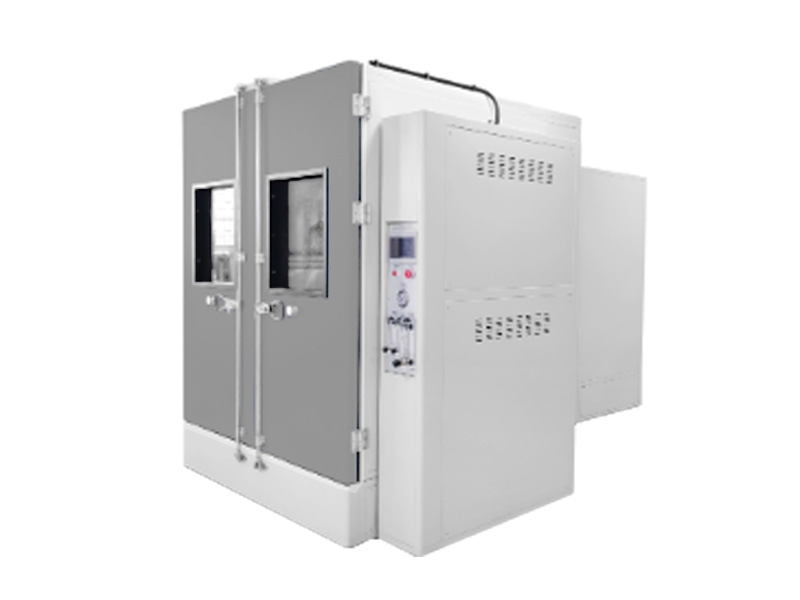
| ||
Open-type water jet test apparatus | 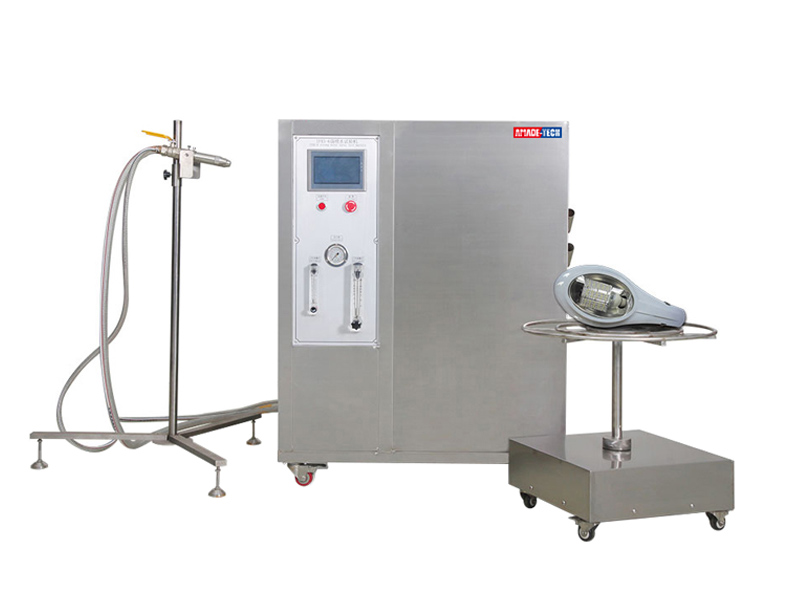
| ||
IPX7 | Entry-level immersion tank | 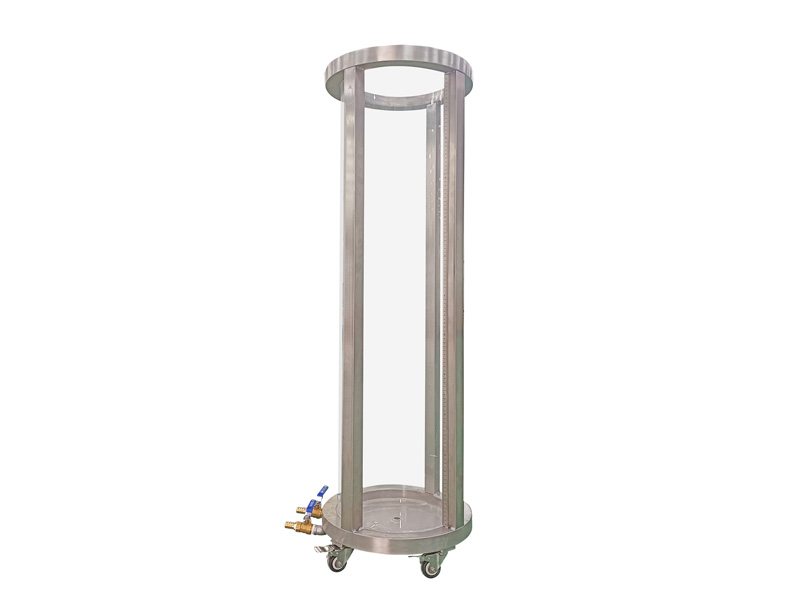
| |
Motorized immersion tank | 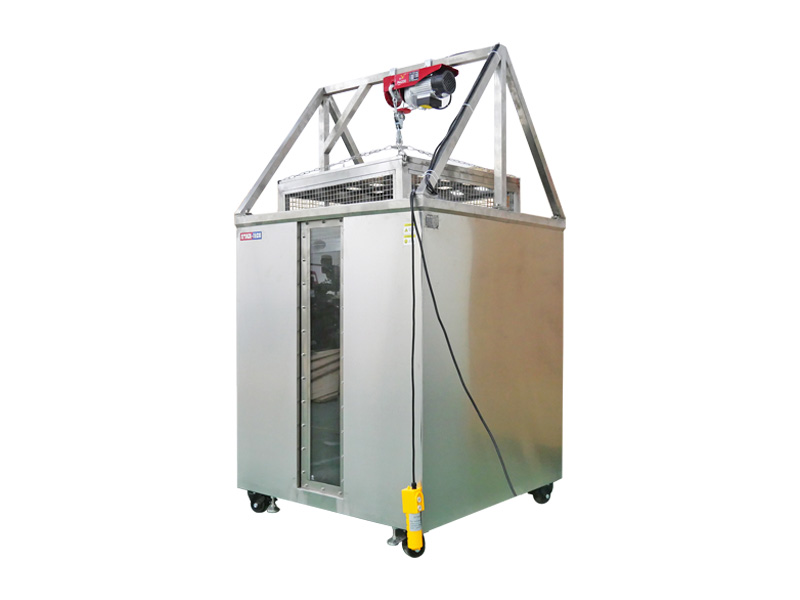
| ||
IPX8 | Transparant pressure test tank | 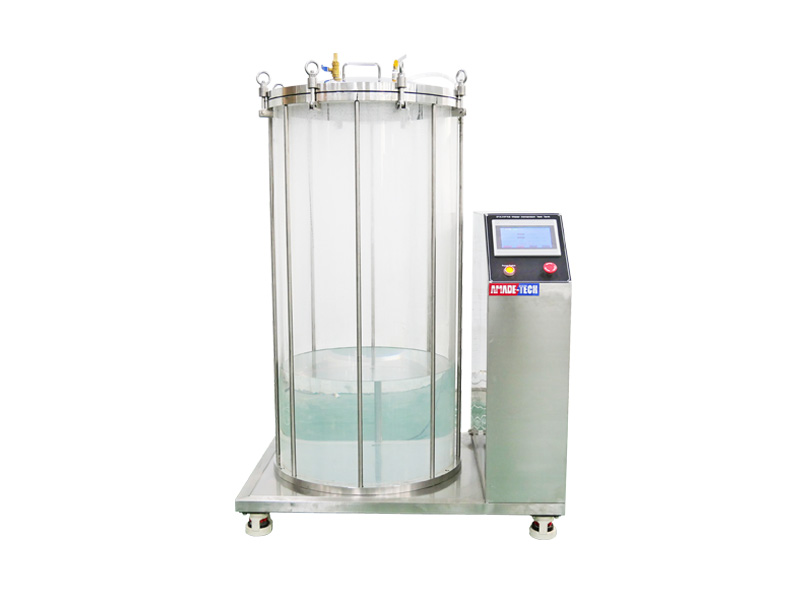
| |
Stainless steel pressure test tank | 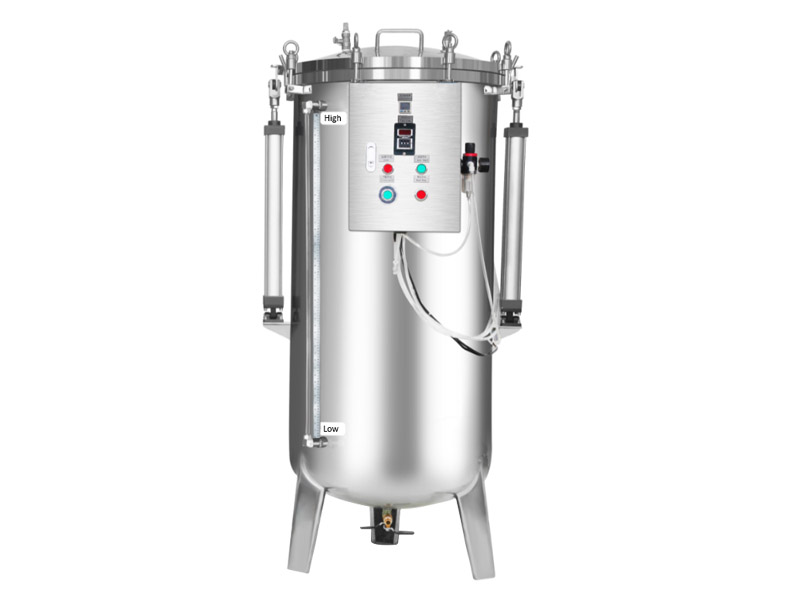
| ||
IPX9(K) | Box-type high pressure and temperature test apparatus | 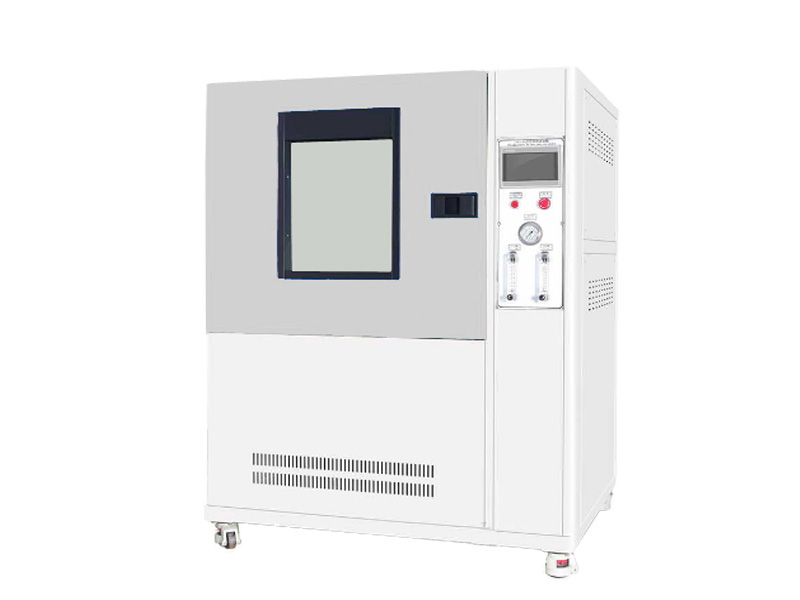
| |
Open-type high pressure and temperature test apparatus | 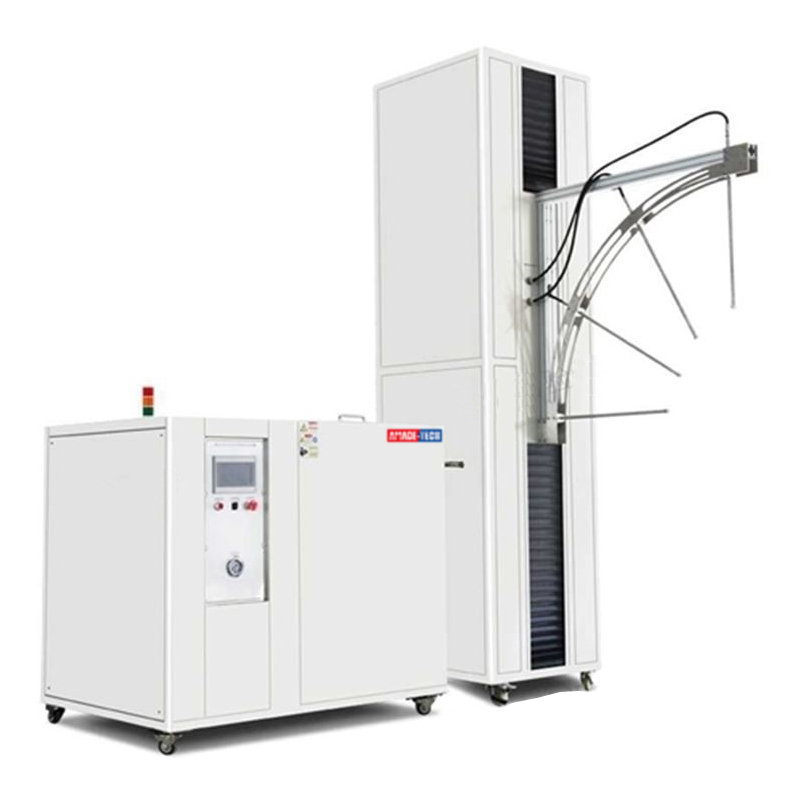
| ||
IPX1/2/3/4(K)/5/6(K)/9(K) | IPX1/2/3/4(K) combined test chamber | 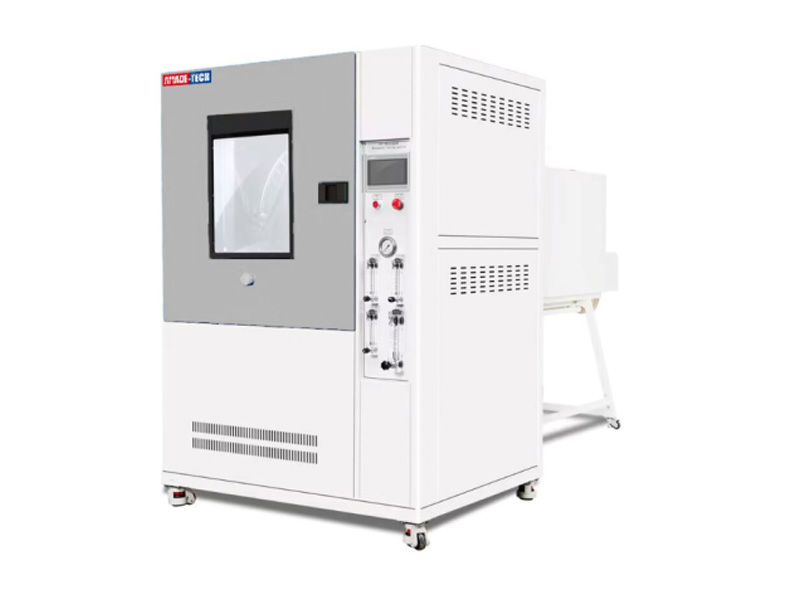
| |
IPX3/4/5/6(K) combined test chamber | |||
IPX3/4(4K)/5/6(6K)/9(K) combined test chamber | |||
IPX1/2/3/4(4K)/5/6(6K)/9(K) combined test chamber |
Conclusion
This article begins with the fundamentals of IPX waterproof ratings, outlining the corresponding test conditions and equipment types for each level. It then presents a practical approach to selecting a water ingress protection testing system: determining the required rating based on actual usage scenarios, matching equipment to the sample’s dimensions, weight, and specific requirements, and finally making a decision that accounts for future scalability. The article also highlights AmadeTech’s capabilities regarding component selection, customization, customer case studies, and calibration support, serving as a useful reference for prospective buyers.
We hope this information assists laboratory R&D personnel and third-party testing facilities in the procurement of IPX waterproof testing equipment. Please feel free to contact us directly with any questions or specific requirements; we would be happy to provide tailored recommendations based on your products and testing objectives.